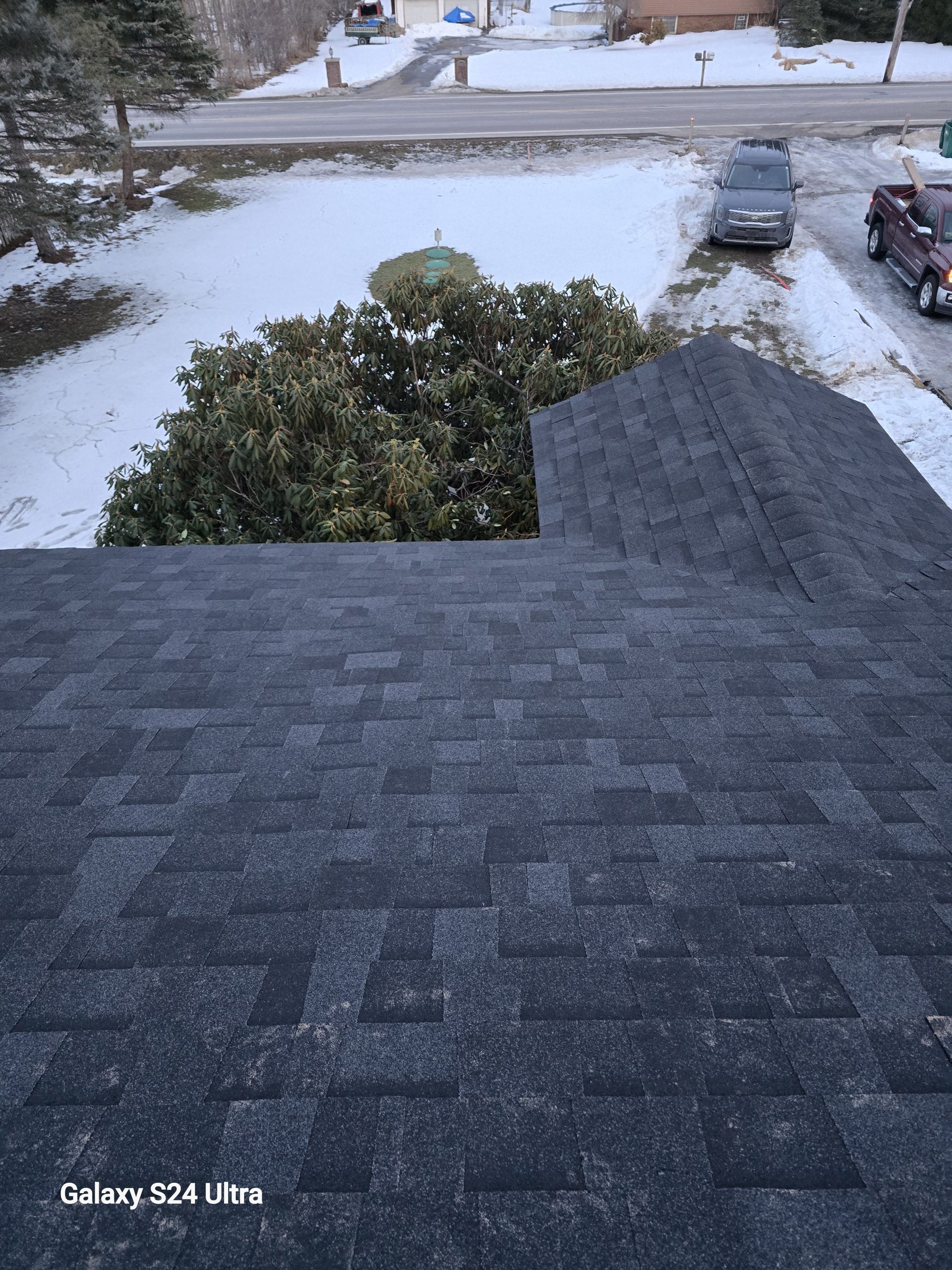
The Ultimate Guide to Roof Cover Boards: Benefits, Types, and Installation
When it comes to protecting and extending the life of a roofing system, one essential component often doesn’t get enough attention: the roof cover board. While shingles, membranes, and insulation layers usually steal the spotlight, cover boards play a critical role in ensuring roof durability, performance, and resistance to damage.
In this in-depth guide, we’ll cover everything you need to know about roof cover boards: what they are, why they matter, the different types available, installation best practices, costs, and how they compare to other roofing materials. Whether you’re a contractor, commercial property owner, or homeowner looking to upgrade your roofing system, understanding roof cover boards can help you make better decisions and maximize your roof’s lifespan.
What Is a Roof Cover Board?
A roof cover board is a thin, durable layer installed between the roof insulation and the roof membrane (such as single-ply, modified bitumen, or built-up roofing). Its primary function is to provide a stable, smooth, and protective surface that enhances roof performance.
Think of it as the unsung hero of the roofing system. While insulation adds thermal protection and the membrane keeps water out, the cover board protects both layers, ensuring they last longer and perform more effectively.
Why Roof Cover Boards Are Important
You might be wondering: Why do I need a cover board when I already have insulation and a membrane? Here are the key reasons:
- Enhanced Durability
Roofs are constantly exposed to heavy foot traffic, severe weather, hail, and UV rays. A cover board acts as a shield, absorbing impact and preventing damage to insulation. - Fire Resistance
Many roof cover boards are manufactured with fire-resistant properties, adding an extra layer of protection to meet building codes and safety standards. - Moisture Protection
Cover boards reduce the risk of water infiltration into insulation, which can lead to energy loss, mold growth, and structural problems. - Better Wind Uplift Performance
In areas prone to storms and high winds, cover boards provide stronger adhesion and fastening for membranes, reducing the risk of blow-offs. - Improved Roof Membrane Performance
Membranes adhere more consistently to cover boards compared to insulation, minimizing wrinkles, bubbles, and installation issues. - Long-Term Cost Savings
While a cover board adds upfront cost, it significantly extends roof life and reduces repair expenses over time.
Common Types of Roof Cover Boards
Not all cover boards are the same. Each type offers unique benefits and is designed for specific roofing systems. Below are the most common options:
1. Gypsum Roof Cover Boards
- Benefits: Excellent fire resistance, moisture resistance, dimensional stability
- Common Use: Commercial flat roofing systems
- Examples: DensDeck®, Securock®
2. High-Density Polyisocyanurate (Polyiso) Cover Boards
- Benefits: Adds insulation value (R-value), lightweight, easy to install
- Common Use: Projects requiring thermal efficiency and strength
- Examples: EnergyGuard™, HD ISO
3. Cementitious Roof Cover Boards
- Benefits: Extremely durable, moisture-resistant, strong compressive strength
- Common Use: Roofs with heavy foot traffic, mechanical equipment, or hail-prone areas
4. Asphaltic Core Boards
- Benefits: High impact resistance, moisture barrier
- Common Use: Built-up roofing (BUR) and modified bitumen systems
5. Mineral Fiber Roof Cover Boards
- Benefits: Lightweight, sound-dampening properties, thermal efficiency
- Common Use: Certain commercial applications needing sound reduction
Roof Cover Board vs. Insulation
A common misconception is that roof insulation and cover boards serve the same purpose. In reality, they complement each other:
- Insulation: Provides thermal resistance (R-value) to regulate indoor temperature.
- Cover Board: Protects insulation and provides a stable surface for roofing membranes.
Without a cover board, insulation becomes more vulnerable to damage from foot traffic, moisture, and hail impact. That damage can shorten the roof’s lifespan and increase energy costs.
Benefits of Using a Roof Cover Board
Adding a roof cover board is an investment, but it delivers multiple long-term advantages:
- Extended Roof Lifespan – Protects insulation and membranes from premature failure.
- Cost Efficiency – Reduces maintenance and replacement costs.
- Improved Safety – Provides fire resistance and enhances wind uplift performance.
- Compatibility – Works with a variety of roofing systems including TPO, PVC, EPDM, modified bitumen, and BUR.
- Energy Savings – Maintains insulation performance by preventing moisture intrusion.
- Hail and Impact Resistance – Essential for regions with frequent severe weather.
Installation Best Practices for Roof Cover Boards
Installing roof cover boards correctly ensures maximum performance. Here’s what contractors typically follow:
- Preparation
- Inspect the roof deck for damage.
- Ensure insulation layers are properly installed and aligned.
- Fastening
- Boards may be mechanically fastened, adhered with foam adhesives, or hot-mopped depending on the system.
- Proper fastening prevents shifting, gaps, and buckling.
- Staggered Placement
- Boards should be installed in a staggered pattern to prevent joints from aligning with insulation seams.
- Membrane Application
- Once cover boards are secured, the roofing membrane is applied using adhesives, heat welding, or mechanical fastening.
- Inspection
- Contractors conduct a final inspection to ensure coverage is complete and secure.
Roof Cover Boards in Commercial Roofing
In commercial roofing, cover boards are standard practice. Flat and low-slope commercial roofs are more vulnerable to ponding water, foot traffic, and mechanical equipment damage. Cover boards provide the strength and stability required for large roofing systems.
- Office Buildings – Protects from HVAC equipment impact.
- Warehouses – Adds fire resistance and insulation stability.
- Hospitals/Schools – Ensures safety and long-term durability under heavy use.
Roof Cover Boards in Residential Roofing
While less common in residential applications, roof cover boards can still provide value for:
- Flat/Low-Slope Residential Roofs – Prevents leaks and adds stability.
- Storm-Prone Areas – Protects homes from hail and wind damage.
- Energy-Efficient Homes – Keeps insulation effective over time.
Cost of Roof Cover Boards
Pricing varies depending on material type, thickness, and brand. On average:
- Gypsum boards: $0.50 – $1.50 per square foot
- High-density polyiso: $1.00 – $2.00 per square foot
- Cement boards: $1.50 – $3.00 per square foot
Installation costs add another $2.00 – $4.00 per square foot, depending on labor and fastening methods.
While this increases initial roofing costs, the long-term savings from reduced damage and extended roof life often outweigh the investment.
Sustainability and Roof Cover Boards
Cover boards also play a role in sustainable roofing systems. Many boards are manufactured using recycled materials, and their ability to extend roof lifespan reduces landfill waste. Additionally, by keeping insulation dry and functional, cover boards improve energy efficiency, lowering a building’s carbon footprint.
Common Questions About Roof Cover Boards
Do I really need a roof cover board?
Yes, if you want maximum roof protection and performance. Skipping it may save money upfront, but it often leads to higher costs later.
Are roof cover boards required by building code?
In many commercial applications, yes. Some insurance providers also require them to reduce risk.
Can I add a cover board to an existing roof?
In reroofing projects, cover boards can be added to enhance protection before applying a new membrane.
What is the best type of roof cover board?
It depends on your needs—gypsum for fire resistance, polyiso for added insulation, cement for durability, or asphaltic for built-up systems.
Roof Cover Boards and Storm Resistance
With hailstorms, high winds, and heavy rain becoming more frequent across the U.S., cover boards are becoming increasingly important. A properly installed cover board adds impact resistance, reduces the chance of membrane punctures, and keeps insulation dry after storm exposure.
For businesses and homeowners in storm-prone areas, this added protection can mean the difference between a minor repair and a costly full roof replacement.
Choosing the Right Roof Cover Board Contractor
Selecting the right contractor is as important as choosing the right materials. Look for:
- Experience with different roofing systems and cover board installations.
- Knowledge of local building codes and weather challenges.
- Positive customer reviews and industry certifications.
- Warranty options to protect your investment.
Future Trends in Roof Cover Boards
Roofing technology continues to evolve, and so do cover boards. Current trends include:
- Lightweight composite boards – Easier to handle, with equal strength.
- Hybrid boards – Combining insulation and cover board properties.
- Green roof compatibility – Boards designed for vegetation and rooftop gardens.
- Sustainable materials – More manufacturers using recycled and eco-friendly products.
Conclusion
A roof cover board may seem like a simple component, but it is one of the most critical layers in a modern roofing system. By protecting insulation, improving fire resistance, enhancing wind performance, and extending roof life, cover boards save property owners thousands of dollars over the life of a roof.
Whether you’re installing a new commercial roof or upgrading a residential flat roof, choosing the right cover board and working with a qualified contractor ensures you get the most out of your investment.
If you’re planning a roofing project, don’t overlook the importance of this unsung hero—your roof cover board. It’s the layer that makes everything else stronger, safer, and longer-lasting.